Guides/Article
Why Every Artwork Photo Needs a Caption Online
7 min read · Updated September 11, 2026
Online, an artwork image can travel farther in a day than a wall label ever will. It gets saved, screenshotted, reposted, cropped, and dropped into moodboards — often without the post text that originally explained it.
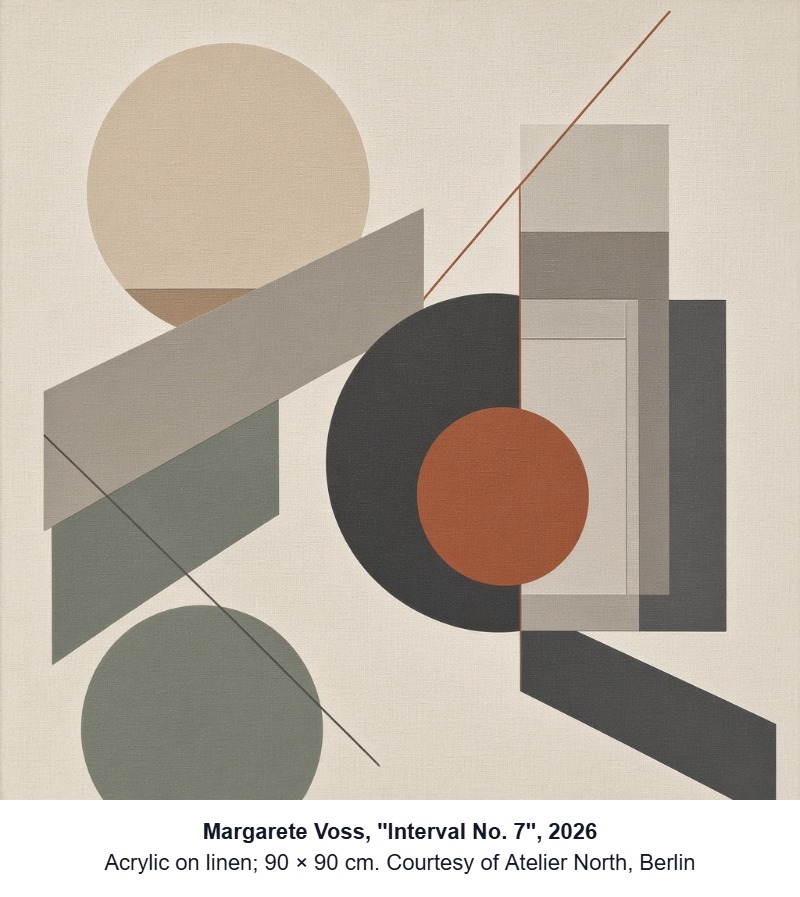
That is why artists and galleries should publish photos of works only when they are properly captioned. A clear caption makes the essential facts travel with the image, so credit and context do not evaporate at the next share. For the standard format, see How to Write a Museum-Style Artwork Caption.
Images move fast. Information does not.
Social platforms reward speed and visuals. Captions in the post body are easy to skip, cut off, or leave behind when someone screenshots the artwork alone. Over time, even careful audiences forget who made a work, when it was made, or where it was shown.
Without a caption attached to the image itself — or at least a short, consistent credit block that people copy with the photo — the file becomes an orphan: beautiful, shareable, and increasingly anonymous.
What gets lost at every pass
Each repost is a chance to drop a detail. After a few cycles, the gaps compound:
- Artist name and spelling
- Title of the work
- Year or date of execution
- Medium and support
- Dimensions
- Gallery, collection, or courtesy line
- Contact or availability context
Why this matters for artists
Attribution is part of your professional record. When your work circulates without a name, title, or year, you lose discoverability, portfolio clarity, and the quiet authority of consistent documentation.
A short museum-style caption under the image does more than look polished. It keeps your authorship visible when the post is saved offline, forwarded in chat, or reused in a slide deck months later.
Why galleries should care too
Galleries are brand and credit machines. A show photo without artist, title, and courtesy line weakens both the artist’s attribution and the gallery’s role in presenting the work.
Consistent captions across Instagram, websites, and press images make an exhibition archive usable later — for collectors, journalists, and your own records. “Seen somewhere online” is not a credit line.
What “good enough” looks like online
You do not need a full wall text on every social post. You do need the identifying facts to stay attached to the picture. A short caption is usually enough; an extended one helps for websites, catalogs, and press.
Short (social / quick share)
Artist Name
Title of the Work, Year
Medium; dimensions
Courtesy of Gallery Name

Extended (site / press / archive)
Artist Name
Title of the Work, Year
Medium on support; dimensions
Courtesy of Gallery Name, City
One sentence of context if useful
Make the caption travel with the image
Post text helps, but it is fragile. Stronger habits include placing a clean caption under the artwork in the image file, repeating the same credit in the caption field, and using the same field order every time so people learn to expect it.
When the facts live in the picture, screenshot culture works for you instead of against you.
- Publish artwork photos with a visible caption block
- Keep artist → title → date → medium → credit in a stable order
- Include the gallery or courtesy line when relevant
- Reuse the same format across social, site, and press kits
Add captions before you hit publish — with ArtCaption
If the barrier is time, lower it. Drop the artwork into ArtCaption, fill the fields once, and export a museum-style caption for web or social — privately in your browser, with no upload to our servers. Then publish the image only when the credit is already on it.
FAQ
- Why should artwork photos have captions online?
- Because images circulate without the original post text. A caption keeps artist, title, year, medium, and gallery credit attached as the photo is saved, shared, and reused.
- Is a social-media caption in the post body enough?
- It helps, but it often disappears in screenshots and reposts. Putting a short credit block under the artwork image is more durable.
- What information should artists include?
- At minimum: artist name, title, year, and medium. Add dimensions and a gallery or courtesy line when relevant.
- Do galleries need the same caption format as museums?
- Yes for the identifying order. A consistent tombstone-style caption makes exhibition posts clearer and keeps attribution intact across platforms.
Related guides
- How to Title a Painting: Clear Artwork Names for Galleries, Sales, and Online Captions
- Free Museum/Exhibition Label Generator (No Design Skills Needed)
- How to Add a Caption Under an Artwork Photo (Without Photoshop)
- How to Write a Caption for a Painting (Artist, Title, Year, Medium)
- Artwork Caption Template: Copy-Paste Museum Labels for Paintings (Free Examples)
- Artwork Captions for Collectors: Catalog Your Collection Like a Museum
- Artwork Captions for Auction Houses: Consistent Credits from Catalog to Bid Room
- Exhibition Labels for Galleries: Consistent Captions Across Shows, Social, and Press
- Artwork Captions for Emerging Artists: Look Professional Before the Gallery Does
- How to Write an Exhibition Wall Label
- Museum Artwork Caption Examples (Painting, Photo, Sculpture)
- How to Write a Museum-Style Artwork Caption
Create your caption next
Upload an artwork image and generate a clean museum-style caption in seconds — privately on your device.
Add a Caption