Guides/Article
How to Write a Museum-Style Artwork Caption
7 min read · Updated September 11, 2026
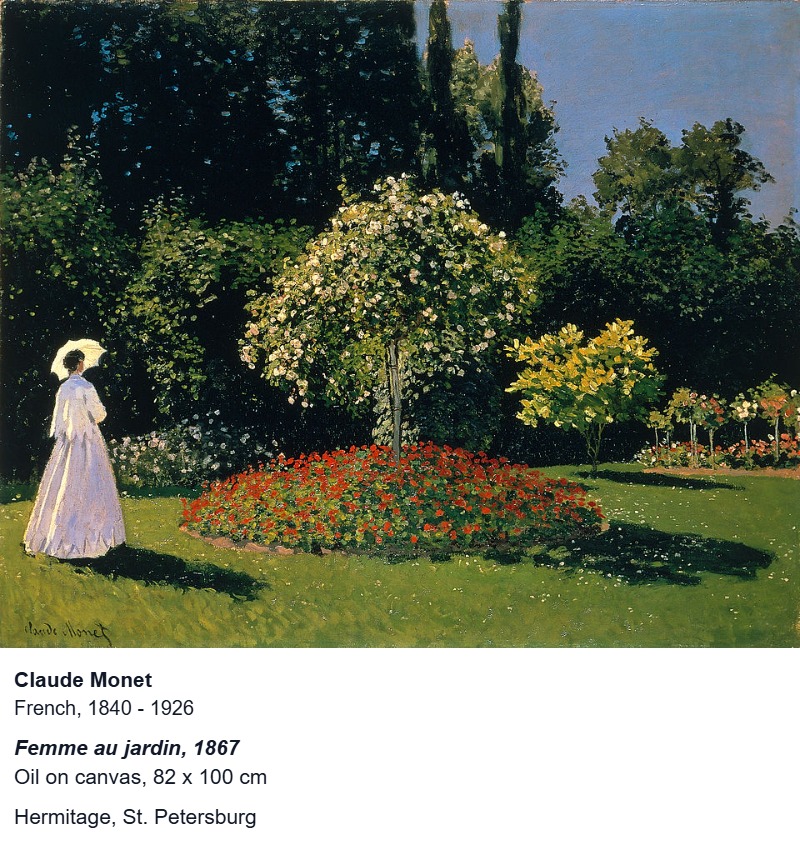
A museum-style artwork caption is a short, structured label that tells viewers what they are looking at — who made it, what it is called, when it was made, and how it was made. Museums, galleries, collectors, and students use the same basic pattern so captions stay clear and consistent.
This guide walks through the standard format, shows short and extended examples, and gives you a reusable template you can apply to paintings, photographs, and sculpture.
What a museum-style caption includes
Most wall labels follow a predictable order. You do not need every field for every work, but the sequence should stay familiar so readers can scan quickly.
- Artist name
- Title of the work (usually italicized in print)
- Date or date range
- Medium and support (oil on canvas, gelatin silver print, bronze)
- Dimensions (height × width × depth, when useful)
- Credit line or collection (optional for personal archives)
A simple caption template
Use this order as your default. Leave blank only what you truly do not know — incomplete captions are fine; invented facts are not.
Artist Name
Title of the Work, Year
Medium on support; dimensions
Collection or credit line
Short vs extended captions
A short caption is best for social posts, portfolio grids, and quick documentation. It usually fits in two tight lines: artist/title/year on the first line, medium and size on the second.
An extended caption adds context — technique notes, subject matter, provenance, or a brief interpretive sentence. Museums use extended labels when visitors need more than identification.
Short
Vincent van Gogh
The Starry Night, 1889
Oil on canvas

Extended
Vincent van Gogh (Dutch, 1853–1890)
The Starry Night, 1889
Oil on canvas; 73.7 × 92.1 cm
The Museum of Modern Art, New York
Painted during van Gogh’s stay at Saint-Rémy, the work is known for its swirling night sky and rhythmic brushwork.
Formatting tips that keep labels readable
Keep punctuation light. Prefer title case for artwork titles and sentence case for interpretive text. Separate fields with line breaks rather than dense commas when the caption will sit under an image.
Use consistent measurement units (centimeters or inches) across a project. If you include both, put the primary unit first.
For photographs and prints, name the process clearly (for example, “archival pigment print” or “gelatin silver print”) so the medium line carries real information.
Common mistakes to avoid
The most frequent problems are easy to fix once you know them:
- Mixing up title and description in the same line
- Guessing a date when “undated” or “c. 1920” would be more honest
- Writing long interpretive text before the basic identifying facts
- Changing field order from image to image in the same series
- Leaving out medium when it is essential to understanding the work
Apply the format in ArtCaption
Once you know the structure, the fastest way to produce a clean label is to drop your image into ArtCaption, fill the fields, and export a museum-style caption for web or print — privately in your browser, with no upload to our servers.
FAQ
- What is the standard order for a museum artwork caption?
- Start with the artist, then title, date, medium, dimensions, and finally a credit or collection line when relevant.
- Should artwork titles be italicized?
- In printed museum labels and catalogues, titles are typically italicized. In plain-text exports or social captions, italics may not be available, so keep the title on its own line for clarity.
- How long should a museum-style caption be?
- Identification captions are often two to five lines. Interpretive wall text can run longer, but keep the identifying block short and put context after it.
- What if I do not know the artist or date?
- Use honest placeholders such as “Unknown artist,” “Untitled,” or “c. 1980.” Incomplete accurate captions are better than invented details.
Related guides
- How to Title a Painting: Clear Artwork Names for Galleries, Sales, and Online Captions
- Free Museum/Exhibition Label Generator (No Design Skills Needed)
- How to Add a Caption Under an Artwork Photo (Without Photoshop)
- How to Write a Caption for a Painting (Artist, Title, Year, Medium)
- Artwork Caption Template: Copy-Paste Museum Labels for Paintings (Free Examples)
- Artwork Captions for Collectors: Catalog Your Collection Like a Museum
- Artwork Captions for Auction Houses: Consistent Credits from Catalog to Bid Room
- Exhibition Labels for Galleries: Consistent Captions Across Shows, Social, and Press
- Artwork Captions for Emerging Artists: Look Professional Before the Gallery Does
- Why Every Artwork Photo Needs a Caption Online
- How to Write an Exhibition Wall Label
- Museum Artwork Caption Examples (Painting, Photo, Sculpture)
Create your caption next
Upload an artwork image and generate a clean museum-style caption in seconds — privately on your device.
Add a Caption